
How Much Does a Retaining Wall Cost, by Height?
Height matters more than length for retaining wall pricing. Every additional foot of height roughly doubles the soil pressure the wall has to resist, which is why cost per square foot climbs sharply once a wall passes about four feet.
| Wall height | Typical use | Cost per sq ft face |
|---|---|---|
| Under 2 ft | Decorative garden or bed-edge wall | $25 – $35 |
| 2–4 ft | Functional slope retention, small terrace | $35 – $50 |
| 4–6+ ft | Structural, engineered wall with drainage system | $50 – $65 |
A typical residential wall lands between $5,000 and $40,000 total — typical Waco-area ranges, your itemized estimate is free. See our full retaining wall services page for material and style options.
What Drives Retaining Wall Pricing Up or Down?
Pushes the price up
- Wall height over 4 ft, requiring engineering and geogrid reinforcement
- Natural limestone veneer over standard segmental block
- Poor drainage on the site, requiring extended gravel backfill and drain runs
- Limited equipment access for excavation
- Curved walls, tiered terraces, or built-in seating/planters
Brings the price down
- Wall under 3 ft with straightforward reinforcement needs
- Standard segmental retaining wall (SRW) block over natural stone
- Straight runs instead of curves or corners
- Good drainage already present on the site
- Combining the wall with another hardscape project to share mobilization
Why Does Blackland Clay Change Retaining Wall Engineering?
A retaining wall holds back soil, and how hard that soil pushes depends on what it's made of. Expansive blackland clay applies far more lateral pressure than sand or loam when it's saturated, because the clay itself swells against the wall in addition to the normal weight of the soil.
To handle that, a wall built into Central Texas clay typically needs a compacted gravel backfill zone at least 12 inches deep directly behind the wall to relieve hydrostatic pressure, a perforated drain pipe running the length of that zone and daylighted somewhere the water can actually exit, and geogrid reinforcement extending back into the soil for anything taller than about 3–4 feet — usually a length equal to roughly 70% of the wall's height. The footing itself also has to go deeper than it would in sandy soil, because clay's bearing capacity shifts as moisture content changes through the year.
Skip any one of these and you get the classic Central Texas retaining wall failure: a bulge partway up the wall face, or a lean that gets worse every wet season. It's the single most common repair call in this region, and it's almost always traceable to a wall that was priced and built like it was going into sand.
Does a Retaining Wall Need an Engineer or Permit in Waco?
Many Texas municipalities, including cities across McLennan County, generally require a permit and a stamped structural engineering design once a retaining wall passes about four feet in height, measured from the bottom of the footing to the top of the wall. Below that threshold, most jurisdictions don't require a permit, but the same drainage and reinforcement principles still apply if you want the wall to hold up.
Permit and engineering rules vary by city — Waco, Woodway, Hewitt, and the smaller McLennan County municipalities don't all handle it identically. Confirm the exact requirement with your local building department before finalizing a design, and make sure any bid on a wall near that height threshold clearly states whether engineering and permitting are included in the price or billed separately.
What Does a Real Central Texas Retaining Wall Cost, Itemized?
Woodway sloped-lot wall — 4 ft tall, 60 ft long, engineered SRW block
- Excavation + deep footing prep for clay$2,400
- Geogrid reinforcement + compacted gravel backfill$3,100
- Perforated drain pipe + daylight outlet$1,200
- SRW block wall construction, 240 sq ft face$9,600
- Engineering review + stamped drawing$1,500
- Cap stones + finish grading$1,200
Total: ~$19,000
Dealing with a sloped or eroding lot in China Spring or Woodway? Text us a few photos of the slope and we'll give you a rough range before scheduling an on-site visit.
Is a Retaining Wall Worth It, or Is Regrading Cheaper?
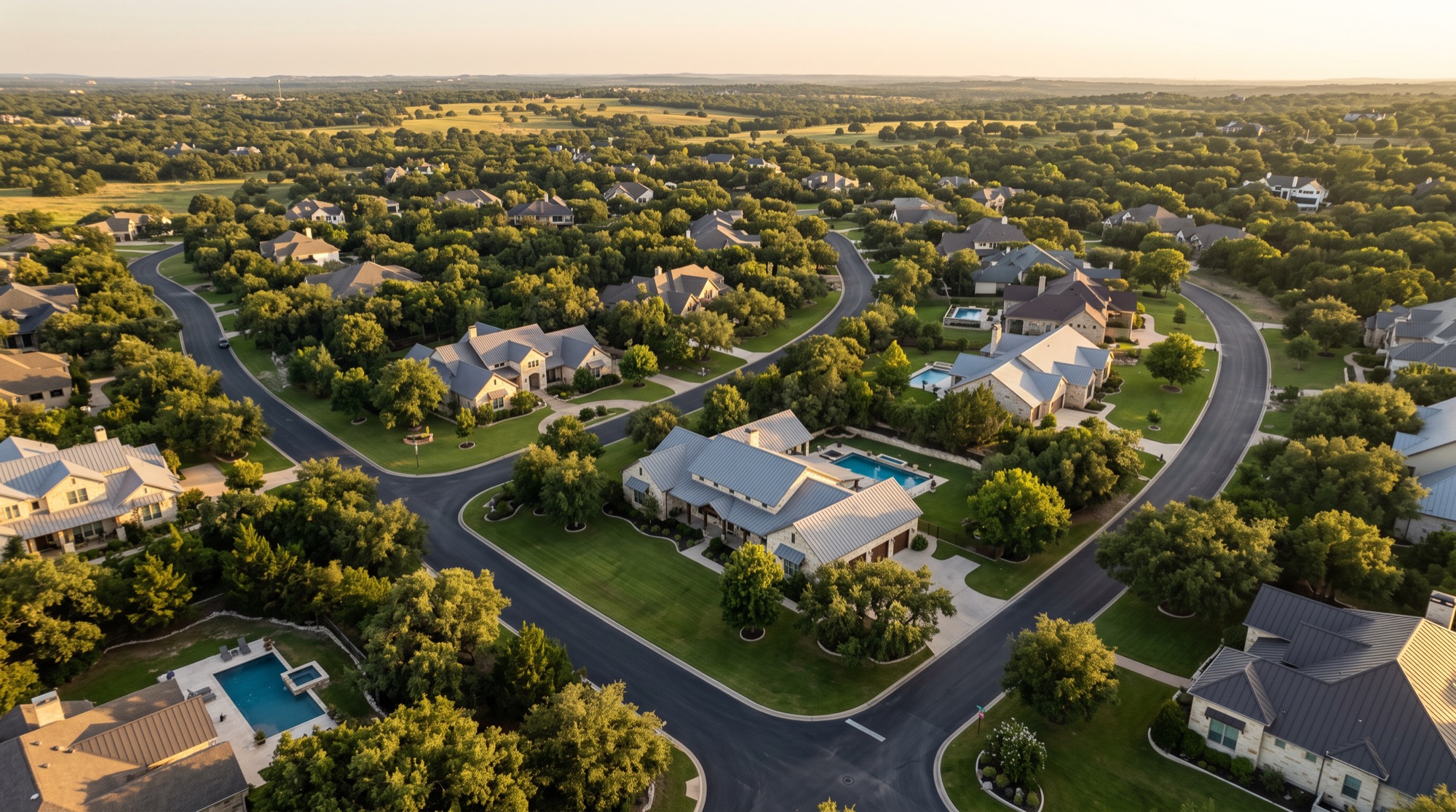
A retaining wall is worth it when you're correcting an unstable slope, protecting a foundation from water pooling against clay soil, or turning unusable sloped ground into flat, usable yard space — common on the rolling lots in China Spring and parts of Woodway. It's also the right call when erosion is already visibly moving soil toward a structure or a neighboring property line.
Simple regrading is worth considering instead for a minor 1–2 foot grade change where a swale or gentle slope redirect can manage water without holding back soil structurally. And for a low decorative wall under about 18 inches — a garden bed edge, for instance — you don't need the full geogrid-and-drainage package a structural wall requires, which keeps that scope of project meaningfully cheaper.
What Red Flags Should You Watch for When Hiring a Retaining Wall Contractor?
- •Confirm drainage is explicitly in the bid — gravel backfill, drain pipe, and a daylight outlet should be line items, not assumed as "included" with no detail.
- •Ask whether geogrid reinforcement is specified for anything over roughly 3 feet, and how far back into the soil it extends.
- •If your wall is near the local engineering threshold, confirm in writing whether a stamped engineering drawing and permit are included in the price.
- •Get an itemized written bid that separates excavation, backfill, drainage, and wall construction — not one number for the whole job.
- •Ask for a certificate of insurance (COI) before excavation equipment shows up, and confirm any irrigation lines in the work area are relocated by a TCEQ-licensed irrigator — unlicensed irrigation work is illegal in Texas.
Retaining Wall Questions Central Texas Homeowners Actually Ask
How much does a retaining wall cost in Central Texas?
Retaining walls in Central Texas typically cost $25 to $65 per square foot of wall face, or roughly $5,000 to $40,000 for a full residential wall. Height, material, and how much drainage and reinforcement the clay soil requires all move the price within that range.
Why is retaining wall pricing so much higher on clay soil than sandy soil?
Expansive clay pushes against a retaining wall with far more lateral force when saturated than sand or loam does. That means a compacted gravel backfill zone, a perforated drain pipe, geogrid reinforcement, and a deeper footing are usually necessary — none of which a sandy-soil wall of the same height typically requires.
Does my retaining wall need an engineer?
Many Texas municipalities, including cities across McLennan County, generally require a permit and a stamped engineering design once a retaining wall passes about four feet in height. Rules vary by city, so confirm the exact threshold with your local building department before finalizing a design.
How long do retaining walls last in Central Texas clay?
A retaining wall built with proper drainage, geogrid reinforcement, and a footing sized for clay soil movement typically lasts several decades. Walls that skip drainage or reinforcement often show bulging, leaning, or cracking within just a few years as the clay behind them swells and shrinks.
Can I build a retaining wall myself to save money?
For a low garden-edge wall under about 18 inches, a DIY build can work. Anything taller is holding back real soil pressure and water, and on Central Texas clay, an undersized footing or missing drainage layer is the most common reason a homeowner-built wall fails within a couple of years.
Building on sloped ground in Waco, Woodway, or China Spring? Explore our full retaining wall services or jump straight to your estimate below.